
The toy industry has a new growth engine. And it’s not kids.
In 2025, adult consumers, commonly referred to as kidults, became one of the most influential buyer segments in the global toy industry. In the U.S. alone, adults now account for roughly 25–30% of total toy sales, generating more than $9 billion in annual revenue, according to Circana (formerly NPD Group).
This is not a temporary spike or a post-pandemic anomaly. It’s a structural shift in how toys are bought, valued, and positioned. As someone who has worked closely with toy brands, licensors, and retailers for years, I see this trend reshaping assortments, pricing strategies, and even how discovery works in retail and e-commerce.
So let’s start with the basics.
What Are Kidults?
Kidults is an industry term used to describe adults who buy toys for themselves, not as gifts for children. Most industry definitions include:
- Consumers aged 18 years and older
- Purchasing toys for personal enjoyment or collection
- Motivated by nostalgia, fandom, creativity, or stress relief
According to Circana and The Toy Association, kidults are no longer a niche audience. They are now a core consumer group driving category growth. What makes kidults different is not just their age, it’s their mindset. They don’t shop like parents. They shop like enthusiasts.
What Are Kidults Toys?
Kidults toys are products intentionally designed, marketed, or purchased for adult consumers. Common kidults toy categories include:
- Collectibles and vinyl figures
- Action figures and display statues
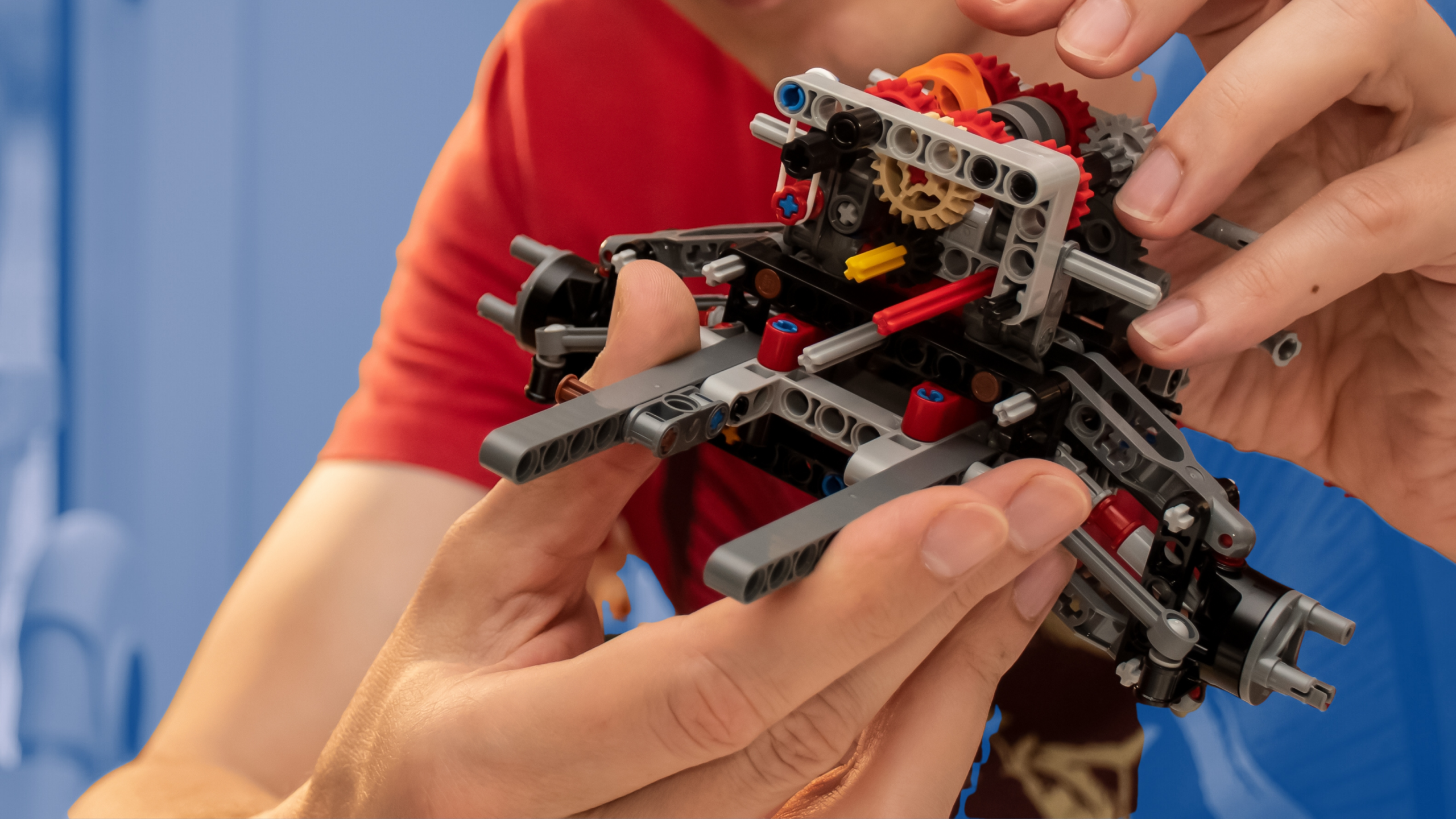
- Construction sets with advanced builds
- Trading cards and hobby games
- Licensed toys tied to entertainment IP
These products tend to share a few characteristics:
- Higher average price points
- Visual or display value
- Limited editions or scarcity cues
In 2025, collectibles and construction toys were among the fastest-growing categories, driven primarily by adult buyers, according to Circana category data. This is why many retailers are now merchandising kidults toys outside traditional kids’ aisles, often closer to lifestyle, hobby, or pop culture sections.
Is the Kidults Trend Growing?
Short answer: yes. Long answer: the data is remarkably consistent.
Key indicators from 2024–2025:
- Adults became the largest toy-buying age group in the U.S.
- Adult toy spending grew double digits year over year
- Nearly 43% of U.S. adults reported buying a toy for themselves in the past year
Globally, adults now represent close to 30% of total toy industry revenue, based on Circana’s international reporting. This growth has continued even as many children’s segments remained flat or declined. That’s an important signal for brands planning long-term growth.
Why Are Kidults Buying Toys?
Understanding why adults buy toys is more valuable than tracking what they buy.
Based on consumer research from Circana, industry surveys, and behavioral studies, four motivations stand out.
- Nostalgia
Many kidults reconnect with brands they grew up with:
- LEGO
- Barbie
- Pokémon
- Transformers
- Star Wars
These brands act as emotional anchors, not just products.
- StressReliefand Mental Wellness
According to the American Psychiatric Association, nearly half of adults use creative or playful activities to manage stress and anxiety.
For many consumers, toys offer:
- Escapism
- Focus
- A sense of control
- Identityand Fandom
Kidults toys often signal belonging:
- To a franchise
- To a community
- To a shared cultural moment
This is why fandom-driven products perform so well.
- Collectingand Completion
Limited runs, variants, and series structures drive repeat purchases.
Scarcity matters, especially for adult buyers.
Which Toy Categories Are Winning with Kidults in 2025?
Not all toys benefit equally from this trend.
The strongest kidults toy categories share three traits:
- Emotional relevance
- Perceived value
- Cultural visibility
Collectibles
Collectibles were the fastest-growing toy category in 2025, according to Circana.
This includes:
- Vinyl figures
- Action figures
- Trading cards
- Convention exclusives
Brands like Funko built entire ecosystems around adult collectors by combining IP licensing with scarcity-driven launches.
Construction Toys for Adults
Adult-focused construction sets continue to outperform.
LEGO’s 18+ portfolio is a clear example:
- Premium pricing
- Display-first design
- Complex builds
These sets deliver both experience and outcome, which matters to adult buyers.
Licensed Toys and Nostalgia IP
Licensed products tied to entertainment franchises consistently outperform.
Top-performing IP includes:
- Marvel
- Star Wars
- Pokémon
- Barbie
Licensed kidults toys live at the intersection of toys, media, and lifestyle.
Why the Kidults Trend Matters for Brands and Retailers
For brands and retailers, kidults change the economics of the category.
Higher Average Order Value
Adult buyers tend to:
- Purchase fewer items
- Spend more per item
- Be less price-sensitive
This makes kidults toys a margin opportunity, not just a volume play.
Different Discovery Behavior
Kidults discover products through:
- Social platforms
- Reddit and Discord
- Influencers and collector communities
Discovery is cultural, not just algorithmic.
Assortment and Merchandising Implications
Winning retailers:
- Separate adult and kids assortments
- Curate rather than overload
- Treat toys as collectibles or lifestyle products
Blurring the line weakens credibility with adult consumers.
My Take
What stands out to me is not just how fast kidults toys are growing. It’s what they represent. Adult consumers are asking brands to:
- Design with intention
- Respect their taste
- Offer emotional and cultural value
The toy industry used to be age-driven. Now it’s identity-driven. The brands that win aren’t chasing trends. They’re building relevance.
Let’s Talk Toys Strategy
If you’re a toy brand, licensor, or retailer navigating the kidults shift, this is the moment to act. At HatchEcom, we help toy brands:
- Build adult-focused assortments
- Align IP, ecommerce, and retail strategy
- Scale sustainably in a kidult-driven market
Book a 1:1 strategy call with us to explore how the kidults trend can become a real growth engine for your toys business.
Because kidults aren’t a trend anymore. They’re the market.