
Introduction
LEGO has been doing something fascinating over the past few years. It’s no longer positioning itself only as a toy brand, but as a pop culture brand with relevance far beyond the traditional toy aisle.
Through collaborations with Formula 1, global entertainment franchises, and now the LEGO × FIFA World Cup 2026 partnership, LEGO is intentionally expanding into culture-driven spaces where fandom, identity, and lifestyle intersect. This shift is not accidental. It reflects a deeper understanding of how consumers engage with brands today.
The timing also matters. Licensed products now represent 34% of global toy and licensing revenue, while the FIFA World Cup 2026 is projected to generate $47 billion in global economic impact across media, retail, tourism, and consumer goods. LEGO is not just launching products around these moments. It’s embedding itself inside them.
LEGO, FIFA, and World Cup 2026: What Changed
The LEGO × FIFA World Cup collaboration is not a standalone campaign. It’s part of a broader evolution in LEGO’s brand strategy that has been unfolding for years.
Historically, LEGO was marketed primarily around age. Products were designed, positioned, and sold with children as the core buyer. Today, LEGO’s strategy looks very different. The brand now organizes its growth around culture, passion points, and global moments rather than demographic labels.
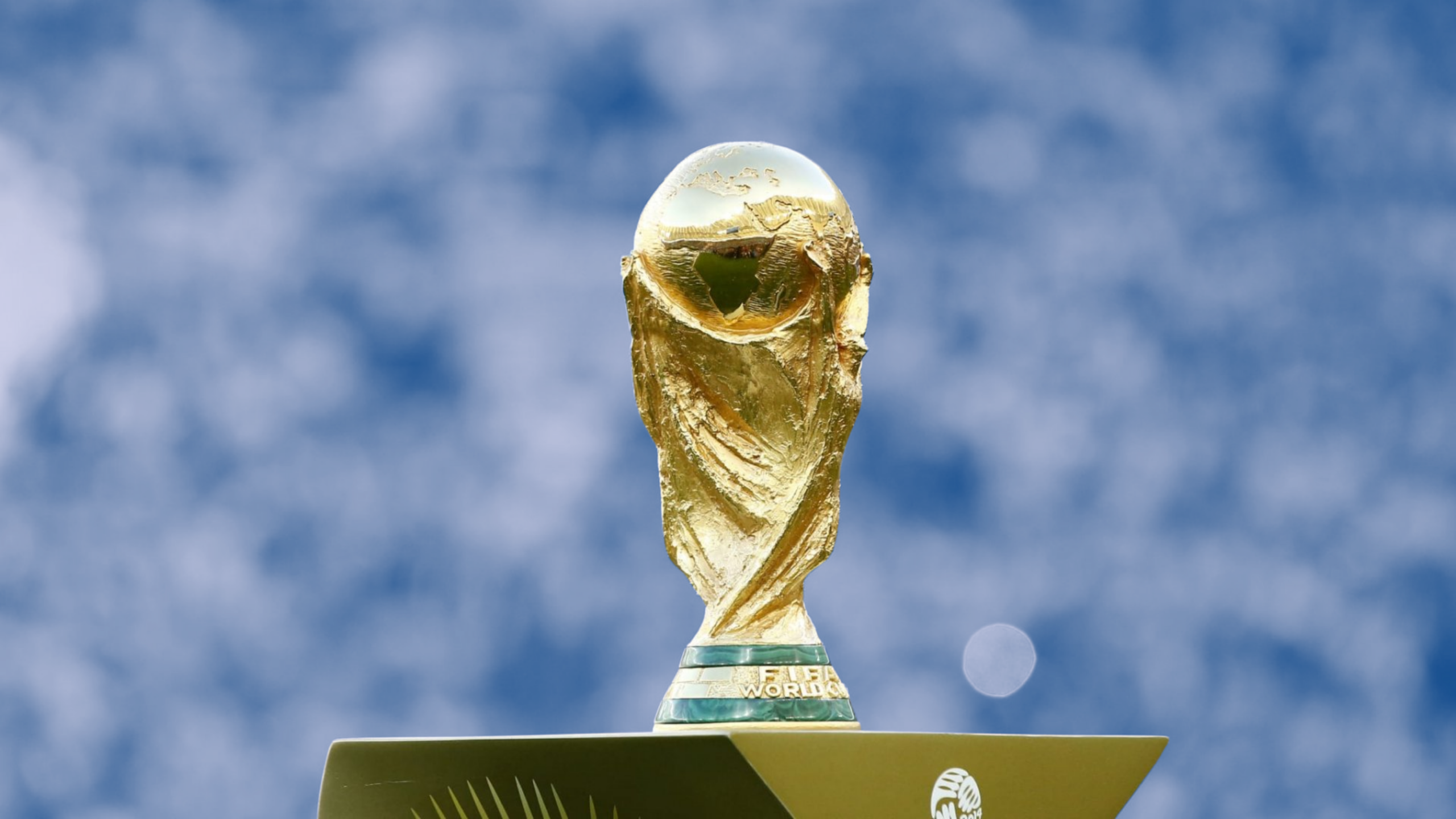
Football culture is a perfect example. The FIFA World Cup is not just an event people watch every four years. It’s a cultural ritual that spans generations, geographies, and lifestyles. Fans don’t simply consume content. They collect, display, share, and emotionally invest. LEGO products now fit naturally into that behavior.
By aligning with World Cup 2026, LEGO positions itself where attention already exists, instead of trying to create it from scratch.
Why LEGO and FIFA Work So Well Together
At the core of this strategy is a simple insight: fandom drives growth. LEGO understands that sports fans, particularly football fans, do not age out of their interests. Their relationship with the sport deepens over time. By creating LEGO products tied to FIFA and the World Cup, the brand gives that fandom a physical form that can be built, displayed, and shared.
This transforms engagement from passive to active. LEGO sets become conversation pieces, collectibles, and symbols of identity, not just toys. That’s a powerful shift for any brand operating in the toy industry.
The scale of the FIFA World Cup 2026 only amplifies this effect. Hosted across the United States, Mexico, and Canada, it will be the largest World Cup in history, generating unprecedented global visibility. LEGO isn’t merely participating in that moment. It’s positioning itself at the center of it.
The Rise of Kidults and Licensed Toys
The LEGO × FIFA World Cup strategy also reflects one of the most important consumer trends in the toy industry today: the rise of kidults. Adults are now one of the fastest-growing segments in toys. They buy for nostalgia, stress relief, display, and shared experiences with their families. Licensed toys, especially those connected to sports, pop culture, and entertainment franchises, perform particularly well with this audience.
This explains why licensed products account for such a significant share of global toy revenue. They come with built-in emotional relevance. LEGO doesn’t need to explain why football matters. It simply needs to translate that passion into a well-designed product experience.
By leaning into collectibles and adult-focused sets, LEGO positions itself as both a creative brand and a lifestyle brand, expanding its relevance without abandoning its roots.
Big Cultural Moments Create Big Retail Moments
One of LEGO’s most strategic moves is how it aligns launches with cultural calendars rather than traditional retail seasons.
Major events like the FIFA World Cup create extended periods of anticipation, media attention, and consumer spending. The World Cup 2026 will influence travel, merchandise, content consumption, and retail behavior for months, not weeks.
LEGO understands that these moments are not spikes. They are ecosystems. The brand’s experience with Formula 1 offers a clear parallel. As F1 surged in popularity globally, LEGO entered the space with products that matched the sport’s premium, design-driven appeal. The same logic applies to football culture and the World Cup.
Sports today are not just about competition. They are lifestyle platforms. LEGO designs accordingly.
LEGO as a Bridge Between Generations
Another reason this strategy works is LEGO’s ability to connect generations without forcing it. Through culture-driven collaborations like LEGO × FIFA World Cup, the brand creates multiple entry points. Children engage through play and creativity. Adults engage through fandom, nostalgia, and display. Parents and kids engage together through shared cultural interest.
Culture becomes the unifying factor, not age. This positions LEGO as a bridge between generations, reinforcing its role as a brand that lives inside households, not just on shelves.
What Other Toy Brands Can Learn
The LEGO × FIFA World Cup 2026 collaboration offers clear lessons for brands navigating growth in the toy industry.
Culture should lead product strategy, not the other way around. LEGO starts with the cultural moment and designs products that feel native to it.
Fandom should be treated as a long-term growth engine. Sports culture, pop culture, and nostalgia-driven communities offer depth, loyalty, and repeat engagement.
Timing matters. Aligning with global moments like World Cup 2026 creates retail opportunities that far exceed traditional seasonal launches.
Finally, design matters. Products that are meant to be displayed, collected, and shared unlock entirely new audiences.
My Take / Final Thought
As a football enthusiast, I genuinely love seeing LEGO step deeper into sports culture. The LEGO × FIFA World Cup collaboration feels intentional and authentic. It blends creativity, fandom, nostalgia, and business strategy in a way that respects the audience rather than chasing trends.
This is what brand evolution looks like when it’s done with clarity and purpose. LEGO didn’t abandon its identity. It expanded it, becoming part of the culture, its audience already cares about.
Let’s Talk Strategy
If you’re building a brand in the toy industry, exploring licensed products, or planning around global moments like World Cup 2026, this is the time to think beyond product launches. Let’s talk about how brand strategy, cultural relevance, and timing can drive long-term growth in retail and pop culture.