
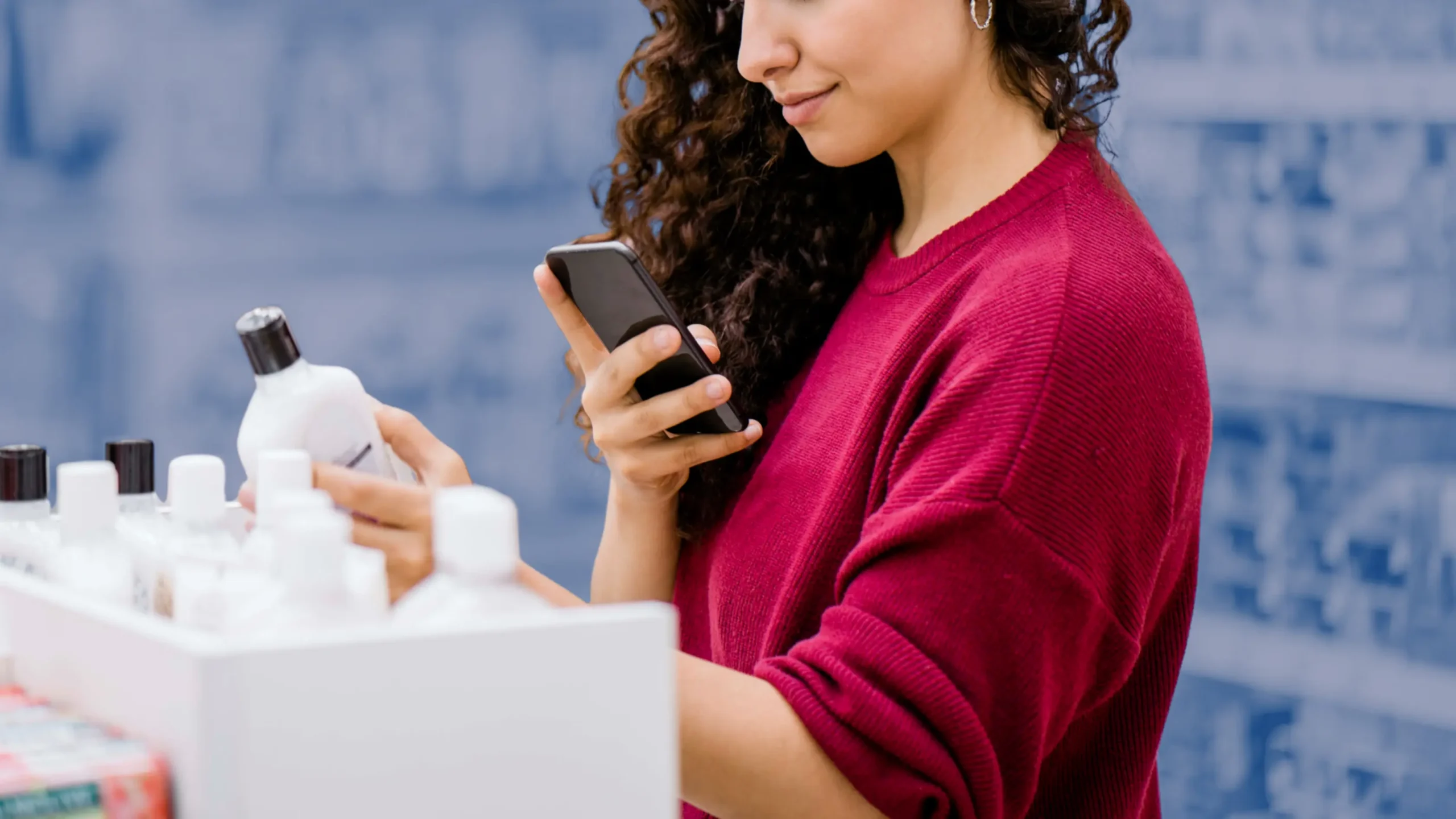
A brand builds a following on TikTok, sells through its own shop, and the numbers look remarkable. Then a retail buyer asks a question the social metrics cannot answer: will this product actually move off a physical shelf, week after week, to people who never saw the videos? Going viral and being retail-ready are two different things, and the gap between them is where a lot of promising brands stumble.
Social-first brands do arrive at retail with a real advantage. They have proven there is demand, they understand their product, and they often have content that converts. But the metrics that impress on TikTok do not automatically prove a product will perform in a store. A retail buyer is not buying view counts. They are buying expected turnover, wholesale margin, replenishment capacity, and demand that holds up beyond the creator audience. This article is about closing that gap: what a social-first brand actually needs before it is ready for physical retail.
Why doesn’t online success automatically translate to retail?
Online success does not automatically translate to retail because the two channels test completely different things. A strong TikTok Shop result proves a product can convert an engaged, self-selected audience in a content-driven environment where the video does the selling. A physical shelf proves something harder: that the product can sell to a shopper walking past it, with no video, no creator, and no comment section, deciding in a few seconds based on packaging and price alone.
Those are not the same test, and passing the first does not guarantee passing the second. A product can be perfectly built for the scroll and poorly built for the shelf, where it has to communicate its value silently and instantly to someone who has never heard of it. The brands that make the transition well understand that retail is a new proving ground, not a reward for online performance.
This is the same channel-role thinking we applied to discovery and conversion in TikTok Shop vs Amazon: why discovery and conversion don’t live in the same place. Each channel does a different job and tests a different capability, and retail adds one more environment with its own rules.
What does a retail buyer actually evaluate?
A retail buyer evaluates whether a product will earn its place on a shelf, which comes down to a handful of commercial realities that social metrics do not capture. Understanding what the buyer is actually looking for is the first step to translating online success into a case they can say yes to.
The core questions a buyer weighs include expected turnover, meaning how fast the product will sell through at retail velocity rather than in a viral spike. They weigh wholesale margin, because a price that works direct-to-consumer does not automatically leave room for a retailer’s markup. They weigh replenishment capacity, because a shelf that goes empty is worse than one that was never stocked. And they weigh the initial assortment, meaning which specific products belong in a store versus which were online-only hits.
None of this is new to retail buyers, but it is often new to social-first brands, who have optimized for a different set of signals. We wrote about how US retail buyers assess risk, scale, and execution in Meeting the US Retailer: Essential US Retail Market Entry Strategies, and the throughline is that buyers respond to operational proof, not audience size.
Two paths to retail: mass and premium
Recent launches show that there is no single route from social to shelf, and the path shapes what a brand has to prove. Two 2026 examples illustrate different versions of the transition.
Mellow Sleep, a sleep and home brand, reached 550 Target stores in October with national expansion planned, as part of Target’s bet on buzzy TikTok brands to refresh its home category. Modern Retail’s coverage attributes roughly 130 million dollars in first-year revenue to the brand. That is a mass-retail path: wide distribution, a broad shopper base, and a premium on turnover and replenishment at scale.
MDP+, a Korean derma skincare brand, took a different route, announcing its launch at Nordstrom after selling, by its own account, more than 450,000 units of a hero product on TikTok Shop. That is a premium path: a more curated retail environment, a narrower but higher-intent shopper, and a premium on brand story and product credibility. It is worth noting that strong TikTok unit sales do not guarantee shelf sell-through in a physical store, since the audience and the buying context are different.
The contrast matters because the readiness requirements differ. A mass path stresses volume, margin, and supply chain. A premium path stresses positioning, assortment curation, and brand coherence. A social-first brand has to know which path it is actually built for before it pursues either, because being ready for one does not mean being ready for the other.
The demand question: does it exist beyond the creator audience?
The single most important thing to validate before going retail is whether demand exists outside the audience that discovered the brand through creators. A TikTok following is a specific, self-selected group. A retail shelf serves everyone, most of whom have never seen a single video. The question is whether the product resonates with that broader, colder audience, or only with the community that was primed to love it.
This is where social metrics can mislead. A product can sell hundreds of thousands of units to an engaged creator-driven audience and still be unproven with the mainstream shopper a retailer serves. Signs that demand extends beyond the creator audience include organic search interest the brand did not generate, repeat purchase from customers who did not arrive through a campaign, and sell-through in any existing non-social channel. Without some evidence of that broader pull, a brand is asking a retailer to bet that a niche enthusiasm will generalize, which is a much bigger bet than the social numbers make it look.
What should a commercial team validate before expanding?
Before pursuing retail, a commercial team should turn its online performance into the specific evidence a buyer needs, and honestly test the gaps. The goal is to walk into a buyer conversation with answers, not just impressive view counts.
The validation checklist comes down to a few things. Can the wholesale margin support a retailer’s markup while keeping the product profitable? Can the supply chain handle replenishment at retail velocity, which is steadier and less spiky than a viral moment? Which specific SKUs belong in a physical assortment, as opposed to the full online catalog? And is there any evidence of demand beyond the creator audience? A brand that can answer these clearly is in a fundamentally different position than one relying on its follower count, because it is speaking the buyer’s language rather than its own.
Replenishment in particular is where social-first brands often underestimate the operational demand, since retail velocity behaves differently from a launch spike. We covered that inventory discipline in How Much Inventory Should You Keep After Prime Day 2026?, and the same principle applies to supplying a shelf: steady availability matters more than a single big moment.
Frequently asked questions
Do strong TikTok Shop sales mean a brand is ready for retail?
Not on their own. Strong TikTok Shop sales prove a product can convert an engaged, content-driven audience, but a retail shelf tests whether it sells to a mainstream shopper with no video and no creator involved. Retail readiness also depends on wholesale margin, replenishment capacity, and assortment, which social metrics do not measure. Viral unit numbers are a promising signal, not a guarantee of shelf sell-through.
What does a retail buyer look for in a social-first brand?
A retail buyer looks for expected turnover at retail velocity, wholesale margin that supports their markup, replenishment capacity so shelves stay stocked, a sensible initial assortment, and evidence of demand beyond the creator audience. In short, they look for operational proof that the product will move consistently off a shelf, not just audience size or viral reach.
What is the difference between going viral and being retail-ready?
Going viral proves a product can capture attention and convert an engaged online audience quickly. Being retail-ready proves it can sell steadily to a broad, cold audience while meeting a retailer’s margin, supply, and assortment requirements. The first is about peak demand within a specific community; the second is about durable demand and operational reliability across the mainstream market.
How do you know if demand exists beyond your social audience?
Look for signals that do not depend on your creator-driven following: organic search interest you did not generate, repeat purchases from customers who did not arrive through a campaign, and sell-through in any non-social channel you already have. These suggest the product resonates with a broader audience, which is what a retailer needs, rather than only with the community that was primed to discover it.
Retail is a new proving ground, not a reward
A social-first brand that reaches physical retail has earned something real: proof of demand, product understanding, and content that works. But retail is a new proving ground, not a prize for online success. The shelf asks different questions, serves a broader audience, and rewards operational reliability as much as buzz. The brands that make the transition well are the ones that translate their online performance into the commercial evidence a buyer actually needs, and that honestly test whether their demand extends beyond the audience that first discovered them.
Viral demand gets a brand noticed. Retail readiness is what turns that attention into a channel that lasts. At HatchEcom, helping brands translate online momentum into operational and commercial readiness for retail is part of how our Growth Team approaches channel expansion.
If your brand has built demand online and is weighing a move into physical retail, book a call with the team.
