
Amazon Buy Box Changes 2026: Who Can Win the Featured Offer Now
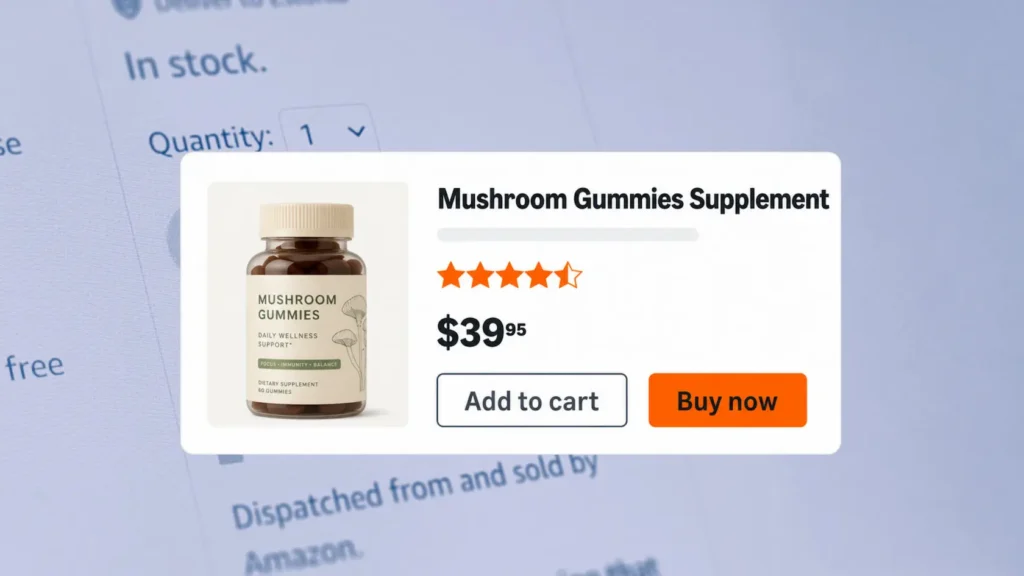
Amazon is changing how the Featured Offer works, the placement most sellers still call the Buy Box, and the change affects every brand on the platform. Here is the accurate version, because the announcement has already produced a lot of confusion: Amazon removed the seller-level eligibility gate for the Featured Offer. It did not remove the performance standard that decides which offer wins. That distinction is the whole story. The change is not that everyone now wins the Buy Box. It is that every offer can now be evaluated, regardless of whether the seller previously met the eligibility criteria. Winning still depends on the same signals it always did. At HatchEcom, we work with brands entering the US through Market Entry, and this is the kind of platform shift that looks alarming in a headline and turns out to be manageable once you read it precisely. This article explains exactly what changed, what did not, who it helps, and what your brand should audit before the rollout reaches your ASINs. What Exactly Changed in the Amazon Featured Offer Process? Until now, Amazon used a two-step process to decide which offer appears in the Add to Cart and Buy Now area. First, it determined which sellers were eligible to compete for the Featured Offer based on performance criteria. Second, it compared the offers from that eligible group and selected which one to show. Starting in July 2026, Amazon began removing the first step. The rollout is gradual across all global stores and should complete before the end of 2026. Existing offers are included automatically, so sellers do not need to request access or take any specific action. The clearest way to state the change is this: Amazon removed the separate seller eligibility gate. Every offer can now enter the ranking stage. The structure moved from seller eligibility, then offer ranking, then Featured Offer, to a simpler flow where all offers go straight to ranking and then to Featured Offer selection. If the mechanics of how Amazon evaluates sellers are new to you, How Does Amazon Seller Work? What Brands Need to Know Before Entering the U.S. Market covers the fundamentals this change sits on top of. What Amazon Did Not Change Amazon was explicit that it is not changing the mechanism it uses to select the winning offer. Being evaluated is not the same as being selected, and this is where most of the confusion around the announcement comes from. The winning offer is still chosen based on the same signals: Competitive pricing, measured against internal and external references. Total cost to the customer, including shipping. Delivery speed and reliability. Seller performance. Customer experience. Inventory availability. Competitive pricing here means the landed price, the total the shopper pays including shipping, which is also the number that governs how efficiently your ads convert, as we covered in Amazon PPC Match Types: Which to Use at Each Stage of Your ASIN. In other words, Amazon did not remove performance from the equation. It removed a pre-filter and now uses those same signals directly during offer ranking. Any content claiming that Amazon eliminated performance requirements is simply wrong. The eligibility gate is gone. The performance standard is not. Who Does the Amazon Buy Box Change Actually Help? The sellers most likely to benefit are the ones who previously could not enter the competitive pool at all. An offer that used to be excluded for failing the general eligibility threshold can now be ranked against the others. This can specifically help new sellers without enough history, sellers with limited volume, brands that lost eligibility generally even when some ASINs were competitive, brand owners who are the only seller of certain products, and accounts that recovered their metrics after an operational issue. There is an important limit on this, though. Amazon did not specify which internal thresholds it is dropping, and it did not publish the weight of each signal in the new ranking. So it is not yet accurate to say the change automatically favors new or weak-performing sellers. They can be evaluated now. Whether they win still depends entirely on the strength of their offer. The Real Risk: More Competition Inside Shared ASINs The most probable consequence of this change is increased competition within shared ASINs. As the pool of evaluated offers widens, a seller who previously could not compete may start contesting the Featured Offer if their offer presents a lower landed price, faster delivery, better availability, or more reliable fulfillment. For a brand that fully controls its distribution and is the only legitimate seller, this should not change much. But it can matter for brands with multiple distributors, unauthorized resellers, gray-market inventory, significant price differences across sellers, FBM and FBA competing within the same ASIN, or a lack of MAP enforcement. This is an operational inference based on the removal of the pre-filter, not a direct statement from Amazon, but it follows logically from a wider evaluation pool. Managing this well across a catalog does not require a big team, it requires a disciplined process, which is the case we made in The Small Team Playbook for Scaling Amazon. There is a related effect worth noting. If more offers can participate, the Featured Offer may change hands more often, because the system has more alternatives to choose from as stock, price, shipping promise, fulfillment method, and buyer location shift. For brands with several sellers on an ASIN, that can mean more rotation of the Featured Offer between offers. What Should Brands Audit Now? Before the rollout reaches your ASINs, a focused audit tells you whether this change is neutral for your brand or something to act on. At HatchEcom, we run it as five checks. It is the same audit our team, a group you can read more about on our About Us page, runs when onboarding a brand with a complex seller landscape. Audit Point What to Look At Why It Matters Featured Offer percentage by ASIN Hero ASINs, bundles, variations, multi-seller products, high-traffic low-conversion items The account average hides the ASINs where you are actually losing the placement Distribution and active sellers Who sells each ASIN, who controls inventory, who uses FBA, who is
Amazon Product Title Update 2026: How to Prepare for the New 75-Character Limit
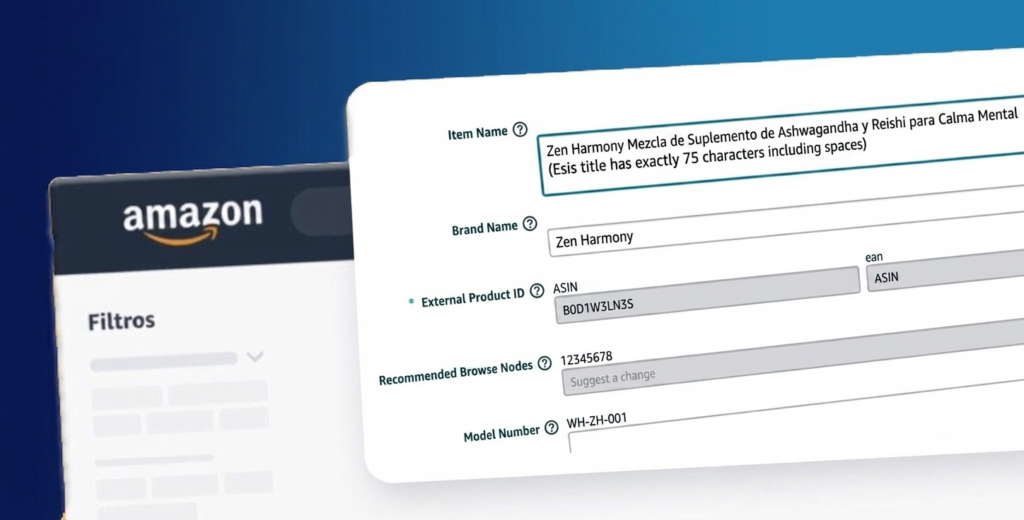
Amazon is changing its product title requirements again. This time, the new character limit is only one part of a much larger catalog update. Starting Jul 27, 2026, Amazon product titles across all non-media categories will need to contain 75 characters or fewer, including spaces. Amazon is also introducing an Item Highlights field with up to 125 additional characters for information such as materials, recommended uses and product features. On paper, the change appears straightforward: the information previously placed inside a title of up to 200 characters will be divided between a shorter title and a supporting field. For brands, however, this is a major catalog, SEO and operational decision. For years, sellers have used Amazon product titles to hold their most important keywords, product attributes, differentiators, quantities and use cases. The new structure forces brands to decide which information is essential to identifying the product and which information supports the purchase decision. That distinction may influence how products appear in search results, how customers compare options on mobile and how Amazon’s systems interpret catalog information. What is changing with Amazon product titles on July 27, 2026? Amazon has announced four central changes to its product title structure. First, product titles in all categories except media will be limited to 75 characters, including spaces. Books, DVDs and other media products are excluded from the announced rollout. Second, sellers will receive access to a new Item Highlights field. This field will provide up to 125 characters for supporting information such as materials, product applications, recommended uses and other details that help customers evaluate the product. Amazon says Item Highlights will be searchable and may appear alongside the title in search results and on product detail pages. Third, Amazon will offer AI-powered recommendations inside Manage All Inventory. These recommendations will help sellers generate compliant product titles while moving additional information into the Item Highlights field. Finally, Amazon plans to update noncompliant titles gradually after July 27. According to the announcement, affected listings will remain active. Amazon may generate a revised title and Item Highlights recommendation, while eligible brand owners will receive a 14-day period to review, edit or approve the proposed content. The primary risk is therefore catalog control. Brands that leave their titles unchanged may allow Amazon’s AI to determine which product information remains inside the most prominent 75 characters. Why is Amazon shortening product titles? Amazon has pointed to two direct objectives: improving the display of complete titles on mobile devices and creating greater consistency across online shopping experiences. Long product titles are frequently truncated on smaller screens. Important differentiators can disappear before the shopper sees them, while repeated keywords and secondary information make listings harder to scan. The updated structure gives each content field a more specific role. The title identifies the product. Item Highlights provides additional comparison information. Bullet points explain benefits and features. Structured attributes support filters and catalog interpretation. A+ Content builds context and visual storytelling. This structure can create a clearer shopping experience, but it also makes prioritization unavoidable. Under the new limit, brands will have less room to compensate for weak catalog architecture by adding more information to the title. The Amazon title update is part of a larger catalog evolution The 75-character limit is the latest step in Amazon’s broader effort to standardize, generate and interpret product data. In 2024, Amazon expanded its generative AI listing tools, allowing sellers to generate titles, descriptions and product attributes from limited information. By the end of that year, Amazon reported that more than 500,000 selling partners had used these tools. Amazon also launched Rufus in February 2024. The shopping assistant was designed to interpret Amazon’s catalog, customer reviews, community questions and information from across the web to answer product questions and compare options. In January 2025, Amazon introduced more consistent title requirements. Most categories received a 200-character maximum, certain special characters were restricted and most words could appear no more than twice. By late 2025, Amazon reported that more than 250 million customers had used Rufus. The company also reported significant year-over-year growth in users and interactions. In May 2026, Rufus became Alexa for Shopping. Amazon stated that its shopping assistant had helped more than 300 million customers research, compare and purchase products during 2025. Amazon has not presented the 75-character limit as a direct consequence of AI-assisted shopping. The direction of the platform, however, is increasingly clear: Amazon is building a catalog that can be interpreted consistently across search results, mobile experiences and conversational shopping interfaces. Clean, structured product data is becoming more valuable than simply placing a large number of keywords inside one field. How will the 75-character title limit affect Amazon SEO? One of the most important questions for sellers is whether keywords placed in Item Highlights will have the same influence as keywords placed in the product title. Amazon has confirmed that Item Highlights will be searchable. It has not confirmed that both fields will carry the same ranking weight. Those are different concepts. A searchable field may help Amazon match a product with a customer query while still carrying a different level of relevance, display priority or influence on click-through rate. Brands should therefore avoid treating the update as a simple copy-and-paste exercise. Moving every removed phrase from the title into Item Highlights preserves the language, but it may not preserve the title’s previous search or conversion performance. The first 75 characters should be selected using real customer and performance data. Brands should review: Search Query Performance data Amazon Brand Analytics Advertising search terms Organic ranking by priority keyword Click-through rate by query Conversion rate by variation Customer questions and recurring purchase criteria Variation-level performance The objective is to preserve the terms and attributes that identify the product, match valuable searches, differentiate the ASIN and reduce customer confusion. A shorter title built around relevant buying criteria can generate stronger results than a longer title filled with broad, high-volume keywords. What information belongs in a compliant Amazon product title? There is no universal title formula that works across every Amazon category. A supplement, automotive component, beauty product and consumer electronics item each require different information to support identification and purchase confidence. For wellness supplements, a practical title structure could be: Brand + Ingredient or Product Type + Strength or Form + Count Example Previous title: Wellness Brand Magnesium Glycinate Supplement for Sleep, Stress Support and Muscle Recovery, 120 Vegan Capsules, Non-GMO Updated title: Wellness Brand Magnesium Glycinate, 120 Vegan Capsules Item Highlights: Designed to support relaxation, sleep quality and normal muscle function. Non-GMO formula. Product claims must continue to be accurate, substantiated and compliant with Amazon’s category requirements. The shorter title format does not change advertising, labeling or product claim policies. The same prioritization logic applies across categories: For an automotive product, compatibility information may be essential because removing it could increase incorrect purchases and returns. For a beauty product, shade, finish or format may be necessary to distinguish one variation from another. For a supplement, ingredient, strength, delivery format and quantity may deserve priority over broader lifestyle language. The right 75 characters depend on how customers identify and choose the product. The biggest operational risk is losing control of the catalog Amazon has indicated that noncompliant titles may be updated using AI-generated recommendations rather than being cut automatically at character 75. This means Amazon’s system will make decisions about which information stays in the title and which information moves into Item Highlights. An automated recommendation could remove a productive keyword, simplify an important product distinction or select the wrong variation attribute. For Brand Registry accounts, the 14-day review period becomes an important catalog-control workflow. Someone inside the organization should be responsible for: Reviewing Amazon’s proposed title Checking Item Highlights for accuracy Confirming all product claims Protecting high-value keywords Checking variation consistency Monitoring the live detail page Reviewing View Change History A compliant submission does not always guarantee that the intended title will remain live. Catalog contributions from resellers, distributors and other authorized contributors may continue to influence product information. Brands should monitor both compliance and content ownership. How should large Amazon catalogs approach the update? For brands with hundreds or thousands of ASINs, the challenge extends beyond rewriting copy. Sellers have already raised questions about whether Item Highlights will be supported through flat files, bulk uploads, APIs and third-party feed management platforms. Some sellers have reported saving errors, unsupported attribute messages or inconsistent field behavior during the rollout. Large catalogs should use a risk-based prioritization system. Begin with: Top-selling ASINs with titles above 75 characters Heavily advertised products Products responsible for a large share of branded search traffic Parent and child variation families Products in regulated categories ASINs with compatibility or sizing requirements Listings with multiple catalog contributors Products launching close to the implementation date Long-tail ASINs can follow once high-revenue and high-risk listings are under control. This approach gives teams time to understand how Item Highlights behave in their category before applying the same process across the entire catalog. What should brands do before July 27, 2026? The strongest preparation plan combines catalog auditing, search data, content hierarchy and performance tracking. Exportand audit the complete catalog Export all active ASINs and count every title character, including spaces. Flag titles above 75 characters and identify products that are close to the limit. Confirm whether category-specific rules or required attributes affect each product type. Builda product attribute hierarchy For every major product category, determine which attributes must remain in the title and where secondary information should live. Separate content into: Essential identification information High-value search language Supporting comparison details Structured catalog attributes Bullet-point content A+ Content Product FAQs This prevents teams from making title decisions one ASIN at a time without a consistent framework. Useperformance datato choose the title content Review the queries and attributes that currently drive impressions, clicks and conversions. Search volume alone should not determine which words remain. A lower-volume term that communicates an essential product feature may produce more qualified traffic and stronger conversion. Preserve a performancebaseline Before making changes, record: Search impressions Click-through rate Conversion rate Organic keyword position Search Query Performance Advertising performance Branded and non-branded traffic Variation-level sales This baseline will help teams determine whether performance changes are connected to the title update or to other marketplace factors. Updatelistings in controlled groups Avoid changing the entire catalog at once. Start with a representative group of ASINs, monitor the results and refine the title framework before expanding the rollout. Check how the updated content appears across: Mobile search results Desktop search results Product detail pages Sponsored placements Parent and child variations View Change History Createan ongoing monitoring process July 27 is the beginning of the rollout, rather than the end of the project. Teams should continue checking titles, Item Highlights and catalog contributions after implementation. AI-generated recommendations, category adjustments and new bulk-management options may continue to evolve. What this update means for the future of Amazon listings Amazon is moving toward a catalog where every content field has a clearer purpose. The product title identifies the item. Item Highlights adds concise comparison context. Bullet points explain features and benefits. Structured attributes support filters and machine interpretation. Reviews and Q&As provide customer evidence. Alexa for Shopping brings these signals together to answer product questions. For brands, success will depend on coordinating all of these fields rather than optimizing each one independently. The strongest listings will make it easy for customers and Amazon’s systems to understand: What the product is Who it is designed for Which problem it addresses How it differs from competing options Which variation the customer is viewing Why the product is relevant to the search The strategic question is no longer how much information can fit inside the title. It is which information deserves to occupy the first 75 characters. Frequently asked questions about the Amazon product title update What is the Amazon product title character limit in 2026? Starting July 27, 2026, product titles in all affected Amazon categories must contain 75 characters or fewer, including spaces. Media categories are excluded from the announced rollout. Will Amazon suppress listings with titles longer than 75 characters? Amazon says affected listings will remain active. Titles above the limit may be updated gradually using Amazon’s AI-generated recommendations. What are Amazon Item Highlights? Item Highlights is a new field offering up to 125 characters for materials, recommended uses and other supporting product information. Amazon says the field will be searchable and may appear in search results and on product detail pages. Do Item Highlights replace Amazon bullet points? Item Highlights complement the title. They remain separate from the listing’s bullet points, structured attributes, product description and A+ Content. Are keywords in Item Highlights indexed? Amazon describes Item Highlights as searchable. The company has not confirmed whether keywords in this field receive the same relevance weight as keywords placed in the product title. Can sellers edit Amazon’s AI-generated title? Eligible brand owners will receive a 14-day period to review, modify or approve applicable recommendations. Sellers can also manage titles and Item Highlights through Manage All Inventory. Does the title limit apply to parent and child ASINs? The limit applies to titles in affected categories. Variation families should be reviewed carefully because attributes such as size, color, flavor and quantity may influence the title displayed for individual child ASINs. Can Item Highlights be updated in bulk? Bulk support may vary by account, category and stage of the rollout. Brands managing large catalogs should verify the options available through flat files, APIs and third-party feed platforms before planning a full migration. Should brands update product titles before July 27? Updating priority ASINs before the deadline gives brands more control over which information remains in the title. It also creates time to evaluate performance, validate Item Highlights and resolve catalog issues before Amazon begins applying automated recommendations. Prepare your Amazon catalog with a controlled, data-led process The 75-character update affects more than listing copy. It touches Amazon SEO, catalog governance, product data, variation structure, advertising performance and the way AI-powered shopping systems interpret your products. At Hatch, we help brands audit their Amazon catalogs, prioritize high-impact ASINs and build compliant listing structures around real search and conversion data. Need help preparing your catalog before the new title requirements take effect? Talk to our team to review your Amazon titles, Item Highlights and catalog strategy before the rollout.
Back-to-School on Amazon: How Brands Can Win the Season Before Demand Peaks

Prepare your Amazon brand for Back-to-School with listing, PPC, inventory and bundle strategies to build relevance early and maximize seasonal sales.
Amazon PPC Match Types: Which to Use at Each Stage of Your ASIN

How Do You Choose the Right Amazon PPC Match Type? The question most sellers ask about match types is which one is better. That question has no answer, because the three match types do different jobs. The more useful question is what this ASIN needs right now: to learn how shoppers search, to scale proven terms, to defend what already works, or to clean up spend that is not converting. Match type is the answer to that question. It is a way to decide how much control you want over each keyword at each stage of the ASIN’s life. At HatchEcom, the mistake we see most often across the accounts we manage is not choosing the wrong match type. It is giving all three the same job, which wastes the one advantage that having three match types is supposed to give you. This article is a framework for matching the match type to the stage. Which Match Type Should You Use When Launching a New ASIN? At launch, the common error is going heavy on exact match with keywords that seem logical but have not been validated by real search data. The team writes down the terms it believes shoppers use, sets them to exact, and bids hard. The problem is that the ASIN has not yet learned how shoppers actually search, which is rarely how the team assumes they do. Before any of this, a precondition matters. Amazon recommends advertising products that have five or more reviews and a rating of 3.5 stars or higher, because the product detail page quality directly affects ad performance (Amazon Ads, Sponsored Products best practices). Running traffic to a listing below that bar spends money to expose a page that will not convert. This is why the review foundation comes first, a process we covered in How to Build Your First 100 Reviews on Amazon US From Scratch. With that in place, the launch structure gives each match type a distinct job. Automatic targeting is the fastest way to discover how shoppers find products in your category. It operates with four strategies: close match, loose match, substitutes, and complements. Amazon recommends letting automatic campaigns run for about two weeks before building manual campaigns (Amazon Ads, targeting with Sponsored Products). Broad match at launch does discovery of a different kind. It surfaces synonyms, modifiers, and adjacent terms the team would not have written on its own. With a low bid and a capped budget, broad feeds the keyword pipeline without eating the performance budget. Phrase match tests whether the core intent is valid and reveals which modifiers shoppers attach to it. Exact match at launch protects only the two or three terms the team is genuinely certain of, not the entire keyword strategy. A launch structure for a haircare ASIN, for example a sulfate-free curl cream, would run four campaigns: Auto discovery. Automatic targeting, all four strategies on. Roughly 30% of budget. Low to moderate bid. Objective: surface the real search language of the category. Exact seed. Manual exact on two or three certain terms like curl cream. Roughly 25% of budget. Higher bid. Objective: protect and convert the terms the team is sure of. Phrase core. Manual phrase on the core intent, curl cream and sulfate free curl cream. Roughly 25% of budget. Moderate bid. Objective: learn which modifiers shoppers add. Broad discovery. Manual broad on core terms. Roughly 20% of budget. Low bid. Objective: find synonyms and adjacent terms without draining performance spend. How to Move Winning Keywords Into Exact Match Campaigns Once the ASIN has its first sales and a search term report with real data, the structure has to change. The question is no longer what shoppers search for. It is how to stop the discovery campaigns from consuming budget that should be going to terms that have already proven they convert. This is where winning search terms graduate. A term found in the auto, broad, or phrase campaigns moves into an exact match campaign once it has shown a conversion or a strong click-through-to-conversion ratio across enough clicks to be statistically directional. One or two conversions is not a signal. A pattern across fifteen to twenty clicks is closer to one. The mechanism that makes this work is the negative keyword. When a term graduates to exact, add it as a negative exact in the broad or phrase campaign it came from. This stops the two campaigns from bidding on the same term and keeps each campaign’s role distinct. Amazon confirms that negative keywords with exact and phrase match are available for Sponsored Products and recommends using them to exclude terms and avoid spend that does not meet campaign objectives (Amazon Ads, keyword targeting). Without this step, your proven term competes against itself and you pay more for the same placement. The early traction structure consolidates to three campaigns for the curl cream: Exact winners. Manual exact on graduated terms. Roughly 50% of budget. Bid to placement value. Objective: convert proven demand efficiently. Phrase expansion. Manual phrase on core intent, with graduated terms added as negative exact. Roughly 30% of budget. Moderate bid. Objective: keep finding modifier variations. Broad discovery controlled. Manual broad, graduated terms negated. Roughly 20% of budget. Low bid. Objective: continue surfacing new terms without absorbing performance budget. How to Structure Exact Match Campaigns at Scale In a scaled account, broad match does not disappear. Its job changes. Broad becomes the research layer, phrase becomes the variation radar, and exact becomes the performance engine that carries the account. Exact match should carry the highest bid and the largest budget share in a mature account. It gives you control over placement bids, budget per term, and the ability to push for Top of Search on specific keywords. Amazon confirms that exact is the most restrictive match type and tends to drive higher conversion rates (Amazon Ads, targeting with Sponsored Products). At scale, exact campaigns should be split by job. Ranking terms and profit terms need different bid strategies and should not share a campaign. Ranking terms get aggressive bids and Top of Search placement to build organic position on strategic keywords. Profit terms get controlled bids tuned to an efficient ACoS. Mixing them in one campaign means one budget serving two objectives that pull in opposite directions. This separation is also what keeps acquisition costs from creeping up as you scale spend, a dynamic we broke down
How to Build Your First 100 Reviews on Amazon US From Scratch

A new ASIN with zero reviews is competing against products with hundreds, and no amount of listing optimization closes that gap on its own. The brands that build reviews steadily in the first months are not doing anything clever. They are running a system, and the ones that struggle are usually improvising. For brands newer to the platform, How Does Amazon Seller Work? What Brands Need to Know Before Entering the U.S. Market covers the fundamentals this process assumes. This is the system we use to take a new ASIN from zero to a functioning review base. It has three layers: a foundation built through Amazon Vine, a compliant post-purchase request process, and a conversion protection layer that manages early reviews and tracks velocity. None of it involves anything that puts an account at risk, because the practices that do are also the ones that get reviews stripped and accounts flagged. Why the First 100 Reviews Are an Algorithm Problem, Not a Reputation Problem Most brands treat early reviews as social proof: the thing that makes a shopper trust the product enough to buy. That function is real, but it is the smaller part of what early reviews do. The more consequential function is performance. Review count, rating, recency, and quality all affect how confidently a shopper converts, and conversion performance is part of the broader equation that shapes an ASIN’s visibility on Amazon. A listing that converts well from paid traffic uses ad budget more efficiently, which lets you buy more of the traffic that builds early sales history. A listing with no reviews converts worse, burns budget faster, and struggles to build the history it needs. So the goal of the first 100 reviews is not primarily reputation. It is to get the ASIN to a point where it converts well enough to compete for traffic on equal footing with established products. One hundred is not an official Amazon threshold. It is a practical milestone, the point where a listing has enough reviews that a new one does not swing the average and enough social proof that paid traffic converts predictably. Reviews carry more weight than reputation alone, a point we develop in Amazon Reviews in 2026: From Social Proof to Business Intelligence. Amazon Vine: What It Is, Who Qualifies, and What to Expect Amazon Vine is the foundation because it is the only program Amazon permits for generating reviews on a product that has none. Enrolled products are offered to a group of trusted reviewers who receive the item for free in exchange for an honest review. The reviews are not guaranteed to be positive, and that is the point: Vine reviews are credible precisely because they are not controlled. Eligibility requires enrollment through Brand Registry, a product with fewer than 30 reviews at the time of enrollment, and available inventory. Most sellers should plan Vine around FBA availability and confirm eligibility inside Seller Central for their specific account, since the requirements can vary. Adult products and digital items are not eligible. Vine now uses tiered enrollment fees rather than a single flat cost. Based on current information, the tiers are $0 for up to 2 units, $75 for up to 10 units, and $200 for up to 30 units, with the fee applying once three or more units are enrolled and the first review is received within a defined window. For a new ASIN, enrolling toward the higher end makes sense, because the goal is to build a base of reviews that carries the listing while the post-purchase request process ramps up. On timeline, plan for several weeks rather than days. In our experience, most Vine reviews arrive over a period of weeks after enrollment, not immediately. The one thing brands consistently get wrong about Vine is expecting it to carry the entire review strategy. It cannot. Vine caps at 30 units, and 30 reviews is a foundation, not a finished base. The job of Vine is to get the ASIN off zero so that the next two layers can build on top of it. The Post-Purchase Review Request: What Amazon Allows and What It Penalizes Once a product is selling, the engine for ongoing reviews is the post-purchase request. Amazon allows this within narrow parameters, and staying inside them is what separates a durable review base from an account under review. The safest method by far is the Request a Review button in Seller Central, accessed through Manage Orders and the order detail page. It sends a standardized, Amazon-templated message to the buyer requesting a review and seller feedback. You do not write the message, which is exactly why it is safe: there is no opportunity to introduce language that steers toward a positive review. This is the same discipline we covered in Amazon Deleted Your Reviews? Here Is Why It Happens and How to Respond, where most removals trace back to a request practice that crossed a line. What Amazon penalizes is well defined. Any incentivized request, offering a discount, refund, gift card, free product, or any other benefit in exchange for a review, is a violation outside of Vine. So is any language that asks specifically for a positive review rather than an honest one, any request to change or remove a negative review, and any use of employees, family, or coordinated third parties. Review requests outside the allowed window are also a problem. This is where third-party review services require care. Tools that simply automate Amazon’s native Request a Review button can be acceptable, because they trigger the same compliant, templated message. The services that put an account at risk are the ones offering incentivized reviews, custom review language, review gating, rebates, reimbursements, or buyer clubs. If a service promises positive reviews or control over sentiment, it is operating outside Amazon’s policy. Timing: When to Send the Review Request The timing of the request matters more than most brands realize. Ask too early and the buyer has not used the product, which produces shallow reviews or none. Ask too late and the purchase is a distant memory, which lowers
The Early Traction Trap

The first few months in a new market are the most dangerous period for a brand — not because of the problems they produce, but because of the ones they hide. Early sales numbers feel like validation. Often, they’re just noise that sounds exactly like signal. When the first sales arrive, when the ranking climbs, when reviews start accumulating, something predictable happens in most teams: hypothesis turns into certainty. A working assumption about the market becomes a declared fact about the brand. That transition — from hypothesis to certainty — is exactly where the trap closes. What Early Traction Actually Measures Selling well in the first months on Amazon does not mean your brand has position. It means your product has demand and the channel is working. Those are two very different things. Product demand says there are buyers who have that problem and found your solution. A working channel says the platform showed you to the right people at the right moment. Both are good news. Neither tells you whether those buyers will come back, whether they’ll recommend you, or whether the brand will hold when competition enters with more budget or the algorithm changes its rules. Early traction measures the present. Brand position determines the future. The mistake isn’t having early traction — it’s using it to answer questions it was never designed to answer. Nothing is more dangerous for a new brand than too much success, too fast, in the wrong channel — because it creates certainty where there should still be questions. How the Trap Closes The trap doesn’t close all at once. It closes slowly, decision by decision. The team that mistakes traction for position starts scaling what works before understanding why it works. They increase ad spend because ROAS looks good, without asking what percentage of those sales would come back without ads. They expand the catalog because the hero product is selling, without validating whether the brand has the credibility to receive new products with the same confidence. They enter new channels because the first one worked, without verifying whether the position built in that channel actually translates. Each of those decisions looks rational in the moment. Each is built on an inference that early traction cannot support. The compounding effect runs in reverse: a brand built on unverified assumptions about its own position becomes more fragile — not stronger — with every month of growth. The Signals Worth Reading Brands that use early traction well don’t treat it as confirmation. They treat it as information. The questions worth asking in the first 90 days aren’t the ones on your dashboard. They are: Who exactly are the buyers converting — and what language do they use in reviews to describe why they purchased? What is the repurchase rate in the first 90 days, and how does it compare to category benchmarks? Which buyers are purchasing more than one product — and what does that signal about what they believe the brand is? At what point in the funnel is the majority of traffic dropping off — and what does that reveal about the gap between expectation and reality? Those questions don’t get answered by looking at a sales dashboard. They get answered with brand intelligence: the capacity to read what the market is actually signaling about who you are to it, not just how much it’s buying today. What Happens When the Trap Has Already Closed Brands that fell into the trap usually realize it late, when growth stalls and no one can explain why. The numbers they were measuring — sales, conversion, ROAS — are still acceptable. But something broke in the engine, and it’s not in any dashboard. What broke is that the market has no clear reason to choose them. Without that clarity, every sale costs more. Every new channel requires more investment. Every new competitor that enters with a defined position takes a piece of the market that took years to build. Catching up from that position is expensive — not in money, but in time. And time in a competitive market is the one resource that cannot be recovered. The brands that scale well — that build something that compounds rather than erodes — are the ones that use early traction to learn, not to confirm what they already wanted to believe. Scaling what works before understanding why it works is one of the fastest ways to build a business that looks strong and isn’t. Is your early traction telling you what you think it is? HatchEcom’s Brand Intelligence service is built to separate real signal from channel noise — so you know what your market is actually telling you about your brand’s position before you scale the wrong thing. → hatchecom.com
Cozy Culture and the Rise of Calm in the Toy Market in 2026

Consumers today want more than entertainment. They want to rest. For brands selling toys and entertainment products, that shift changes what sells and how it should be positioned. The movement the industry calls Cozy Culture is one of the most relevant forces in the US toy market right now. It describes a growing desire across every age group to reduce digital stimulation and return to calmer, more sensory, screen-free experiences. In product terms, it shows up as soft textures, natural colors, simple mechanics, and materials that create a sense of calm rather than hyperactivity. This is not a passing aesthetic. It is a response to something real: exhaustion from digital overstimulation. And for ecommerce brands, it opens a clear opportunity to capture demand that is already growing, if the positioning is right. What Is Cozy Culture in the Toy Industry? Cozy Culture is the growing consumer preference for toys and play experiences that reduce stimulation rather than increase it. The products in this category prioritize comfort, sensory calm, and screen-free engagement over speed, competition, and digital interaction. The Toy Association identified it as one of its 2026 toy and play trends, with the premise that as digital life speeds up, families are choosing tech-free toys that help them power down and reset. Spielwarenmesse, which presents itself as the world’s largest toy fair, has also covered the trend, framing play around comfort, emotional wellbeing, sensory engagement, and meaningful connection. The defining test of a cozy product is how it makes the person near it feel. A product either reduces stimulation or increases it, and Cozy Culture is the demand for the first kind. Why Cozy Culture Is a Structural Trend, Not a Seasonal Spike This movement did not appear from nowhere. It rests on three drivers that are unlikely to reverse, which is what makes it a structural shift rather than a temporary one. Digital fatigue is real and widespread Families feel their children are overstimulated, and parents feel it themselves. There is genuine demand for experiences that do not require cognitive effort or competition. Play is meant to feel restorative, and a growing share of consumers are actively choosing products that deliver that. The audience is no longer just children Adults are now one of the fastest-growing toy audiences. Kidults, meaning adults who buy toys for themselves, account for roughly one-quarter of US toy sales, according to Circana data cited by The Toy Association. That audience includes collectors, gamers, puzzle fans, parents, and seniors. We covered this audience in depth in What Are Kidults? Why Adult Toy Buyers Are Powering the Toy Industry. Cozy Culture fits naturally into that shift, with toys increasingly purchased for nostalgia, comfort, and screen-free downtime alongside entertainment. Comfort has become a purchase priority After years of hyperproductivity and forced digitalization, emotional wellbeing became a real driver of consumer spending. People actively seek products that make them feel good, and toys have become part of that purchasing behavior. The product is bought for how it makes the buyer feel, which is a different motivation than traditional toy purchasing. What Cozy Culture Looks Like in a Product Cozy Culture is a design philosophy more than a single aesthetic. The products that fit it tend to share a consistent set of characteristics. Sensory materials: plush, knit, and soft high-quality textures that invite touch. A calming color palette: earth tones and soft pastels, with no extreme saturation. No-pressure mechanics: no timers, no competition, no screen tracking performance. Narratives of care and community: the product invites the user to build, nurture, or collect. Adult-forward design: premium finishes, cultural references, and display-worthy sizing. Plush figures from indie video games, mindful building sets, large-format puzzles, and botanical or farm-themed toys all fall under this umbrella. What connects them is the feeling they produce, not the category they sit in. How to Position Cozy Products on Amazon and Ecommerce This is where the trend becomes actionable. The same product can capture very different levels of demand depending on how it is positioned, and Cozy Culture has created new positioning opportunities that many sellers have not yet used. Use the search terms the trend is creating On Amazon, terms related to wellness, calm, and sensory play are gaining search volume. A product listed only as a plush toy can capture significantly more demand when it is also positioned with terms like stress relief toy, mindful play, comfort toy for adults, or cozy aesthetic desk decor. The product does not change. The language that connects it to active demand does. Match your creative to the context of calm Lifestyle images that show the product in calm settings, a desk, a reading nook, a cozy workspace, consistently outperform standard product shots for this segment. The shopper is buying a feeling, and the imagery needs to communicate that feeling before the product specs do. The setting in the photo does as much work as the product itself. Audit your catalog for hidden cozy potential Sellers and wholesale buyers should review whether they already have products that fit this segment, including items that were never designed as wellness objects but function as them. A product has cozy potential if it makes the person near it feel good, reduces stimulation rather than increasing it, and can work as a comfort object or collectible for an adult. Many catalogs already contain cozy products that are simply positioned as something else. Which Brands Are Already Capturing This Demand Several established brands have moved early on Cozy Culture, and their approach is instructive for smaller sellers deciding how to position. LEGO positions its Botanicals line as home decor for adult builders, and Build-A-Bear has run gaming collaborations with properties like Animal Crossing and Pokemon. Alongside them, plush and collectible demand from adult buyers keeps growing, which is the same kidult behavior driving Cozy Culture. On Amazon, this creates room for brands to reposition existing products around use cases like comfort, desk decor, gifting, collecting, or screen-free downtime, without necessarily developing an entirely new product line. The pattern across all of them is the same: they meet the demand for comfort with products positioned around how they make the buyer feel. The brands that arrive early to that positioning capture the demand. The ones that arrive late compete for what is left. Frequently Asked Questions About Cozy Culture in Toys Does Cozy Culture only apply to toys for young children? No, and assuming so is one of the most common mistakes when analyzing this trend. The adult segment is the fastest-growing part of it. People aged 25 to 60 actively purchase products that give them sensory comfort, nostalgia, or emotional wellbeing. Plush figures of video game characters, decorative gardening sets, and 1,000-piece puzzles are direct examples. Is Cozy Culture the same as the nostalgia trend? They overlap, but they are not the same. Nostalgia is one driver of Cozy Culture, not the whole of it. A product can be entirely new in design and still be cozy if it communicates calm, comfort, and low stimulation. The benchmark is how it makes the user feel, not when it was designed. How long will the Cozy Culture trend last? Cozy Culture is unlikely to disappear after 2026. The Toy Association named it a 2026 toy and play trend, and Spielwarenmesse frames it around comfort, wellbeing, and screen-free play. The aesthetic may change over time, but the need driving it is durable: families want toys that create calm and reduce screen overstimulation. That need is not going away next season. How do I know if my product fits this trend? Ask three questions. Does this product make the person near it feel good? Does it reduce stimulation or increase it? Can it work as a comfort object or collectible for an adult? If the answers point toward calm and comfort, the product has cozy potential, even if it was not designed with that in mind. My Take After 25 Years in This Industry I spent 12 years at Mattel and 9 at Paramount. I’ve seen plenty of trends come and go. Cozy Culture feels different to me because it didn’t come from marketing. It came from a genuine need. Consumers are exhausted. Families want to reconnect. Adults want objects that make them feel something real in an increasingly noisy world. That’s not going away next season. What will change is which brands are ready to meet that demand and which ones show up too late. Does your product portfolio have anything that speaks to this trend? Or are you still figuring out how to enter this space?
What Prime Day 2026 Will Reveal About Your Amazon Operation

Prime Day 2026 runs June 23 to 26, four days instead of the two the event ran for years. More than 35 categories will participate. Traffic will spike, and for a few days, your products will get more eyes than they do in any normal week of the year. Here is the part most brands do not want to hear. That traffic does not fix anything. It exposes things. A surge of visitors to a weak product page produces a weak result at scale. A category-leading ad budget pointed at a listing in the wrong browse node burns faster. Prime Day does not create performance. It reveals whether the performance was already there. For the four days of the event, your Amazon operation gets stress-tested in public, and the gaps that were invisible in a normal week become very visible very fast. This article is about what Prime Day will reveal, and what is still worth protecting in the days before it starts. Prime Day Is Not a Promotional Event. It Is a Stress Test. The common way to think about Prime Day is as a promotional moment: drop prices, turn up ad spend, capture the surge. That framing is not wrong, but it is incomplete, and it leads brands to prepare for the wrong thing. A more useful way to think about it is as a stress test of marketplace readiness. Prime Day applies maximum pressure to every part of your Amazon operation at once: your product pages, your pricing, your Buy Box control, your inventory depth, your ad structure, your review quality, and increasingly, how well your content is understood by Amazon’s discovery systems. Whatever is weak in any of those areas gets amplified by the volume. This is why two brands can run the same discount during Prime Day and see completely different results. The discount is the same. What differs is everything underneath it that was either ready or was not. The Discovery Layer Changed, and Prime Day Is Where You Will Feel It The most significant shift for Prime Day 2026 is not the four-day format, as notable as that is. It is how shoppers find deals. Amazon has pushed AI shopping tools hard for this event. Alexa can build a personalized deals guide, set deal alerts and price alerts, and even auto-buy a product when it hits a shopper’s target price. Tools like Amazon Lens help shoppers research and buy with more confidence. This matters because it changes how a product gets discovered during the event. Shoppers are no longer only browsing and searching. They are being guided to deals by AI systems that read product information and decide what to surface. If your product content is not clear enough for those systems to interpret confidently, your deal can be live and still go unseen. This is the same dynamic we have been tracking across AI-driven discovery more broadly. LLMs Are Your New Revenue Channel. Are You Visible Enough? covers how generative AI traffic is already shaping ecommerce. Prime Day 2026 brings that conversation directly onto Amazon, at the exact moment when discovery volume is highest. The practical implication is simple. If Amazon’s AI tools are helping shoppers choose faster, your product page needs to explain its value faster. Clarity is no longer just a conversion lever for human shoppers. It is what determines whether AI-assisted discovery includes you at all. What Prime Day Will Expose, Area by Area Each part of your Amazon operation gets tested differently under Prime Day pressure. Here is what the surge reveals in each one. Your product detail pages A PDP that converts at an acceptable rate in a normal week can still underperform when traffic is colder and faster-moving, as Prime Day traffic tends to be. Shoppers arriving through deal guides and alerts are scanning quickly. If your main image, title, and first bullet do not communicate value in seconds, the traffic bounces. Amazon Visual Optimization: Boost CTR and Conversions with Better Design covers why visual clarity drives CTR and conversion, and Prime Day is when that clarity is tested at the highest volume of the year. Your pricing and margin Prime Day pressure exposes whether your pricing has room to discount profitably. Brands that built thin margins discover during the event that a competitive Prime Day price erases their profit. What the event reveals is whether the underlying unit economics could support promotional pricing in the first place. Your inventory depth A successful Prime Day can be as damaging as a failed one if inventory runs out mid-event. A stockout during peak traffic does not just lose sales. It resets the sales velocity signal that drives organic ranking, and recovering that ranking after the event takes time. Prime Day reveals whether inventory planning matched demand expectations. Your ad structure Amazon Ads reports that advertisers using Sponsored Products, Sponsored Brands, and display ads during Prime Day saw a 137% increase in sales compared to average category growth. But that lift is not automatic. Amazon’s own guidance is to prioritize top-performing products and products with deals, optimize bids during peak hours, and drive traffic to curated Brand Store pages. The event exposes whether your campaigns distinguish between SKUs that deserve spend and SKUs that only absorb it. Your review quality Prime Day traffic flows to products that look trustworthy at a glance. A listing with thin or inconsistent reviews converts worse under high-volume traffic than one with a solid, recent review base. The event reveals whether your review foundation can carry the weight of increased scrutiny. How Can Amazon Sellers Prepare for Prime Day 2026 This Late? By mid-June, the major FBA inventory deadlines for Prime Day have passed. The deadlines were May 27 for AWD and minimal-split FBA shipments, and June 5 for Amazon-optimized split shipments. Amazon will keep receiving inventory after those dates, but late arrivals may not process in time for Prime eligibility. That changes what the work is now. At this point, the value is in protecting execution rather than planning from scratch. The goal in the final days is to make sure the SKUs that can win are positioned
Entering a New Market Is Not a Product Decision. It Is a Brand Decision.

Entering a New Market Is Not a Product Decision.It Is a Brand Decision. Most brands expanding into the US spend months solving the right problems. Logistics. Pricing. Legal structure. Listings. Certifications. These are real problems and they have real solutions. The question almost no one answers before entering is the one the market will not forgive you for ignoring: why should someone in the US choose you? That is not a product question. It is a brand question. And it is the question that determines whether a LATAM brand entering the US builds a business or burns through a budget. The Good Product Myth There is a belief embedded in almost every expansion plan: if the product is good enough, the market will recognize it. If the quality is there, if the price is competitive, if the channel is configured correctly, sales will follow. Sometimes that is true. In markets with limited competition, a good product can survive without clear positioning. But the US is not a low-competition market. It is the most competitive consumer market in the world, where every category has dozens of options with equivalent quality, similar prices, and identical channels. In that environment, a good product is the entry ticket, not the differentiator. What differentiates is the story the buyer can tell themselves when they choose you. Quality gets you to the shelf. Brand gets you off it. A product can enter a market. A brand can win one. The difference is not quality or price — it is the story the buyer can tell themselves when they choose. Why LATAM Brands Fail in the US The statistic is well documented: more than 80% of new brands fail in US retail within their first two years. What gets analyzed less is the pattern behind the number. The brands that fail rarely do so because of operational problems. The product arrives. The accounts work. Logistics run. They fail because they never resolved who they are for that specific market. They entered with the identity they built at home and assumed it would travel. It does not travel. What resonates in Buenos Aires, São Paulo, or Mexico City does not resonate the same way in Los Angeles or Houston. Not because the product is inferior, but because the conversation a brand has with its consumer is built on cultural references, emotional context, and category expectations that are genuinely different. Adapting that is not translation. It is positioning. And positioning is a decision that has to be made before entry, not after the first quarter of disappointing numbers. Three Questions That Define Your Position in a New Market Most brands that struggle with positioning in the US are not struggling because the concept is unclear. They are struggling because they have never been forced to answer three specific questions with real precision: Who is your obvious buyer, exactly? Not the demographic profile — every agency brief has that. The specific person who, when they describe their problem, describes it exactly the way your brand can solve it. In the US market, that means understanding not just who they are, but what they already believe, what alternatives they have already considered, and why those alternatives have not worked. Who are you actually competing with? Not the full category. The two or three competitors whose buyer you could realistically win, and exactly what you need to be different for that to happen. Many LATAM brands enter the US thinking they are competing with the big incumbents. The brands actually taking share are the ones identifying the specific gap those incumbents are not filling — and owning it. What story can only you tell? Not the product differentiator — those get copied. The perspective, the point of view, the knowledge that comes from where you come from, how you operate, and what you have learned that no competitor in that market has yet. That is the raw material of brand equity. And it is often the asset LATAM brands most consistently undervalue. The Structural Advantage of Entering With Clarity Brands that resolve their positioning before entering do not just have better odds of surviving the first two years. They have a compounding structural advantage. Every dollar invested in advertising, content, reviews, and channel works harder when it is aligned to a clear position. The first-time buyer knows why they chose you. The repeat buyer has a reason to come back. The person who recommends you has words to explain why. Without positioning, every sale is a transaction. With positioning, every sale builds something. The brands that establish dominant positions in US categories are rarely the first to enter. They are the ones that entered with the clearest answer to why they deserve to be there — and then executed that answer consistently across every touchpoint. The brand that enters without a position is paying to let the market define it. And the market is not generous with brands that don’t know who they are. Ready to define your position in the US market? HatchEcom’s Market Entry service is built around this exact question. We work with LATAM brands to establish the positioning foundation that makes every subsequent investment more effective — before the first dollar is spent on execution. → Explore Market Entry & Advisory at hatchecom.com
Amazon deleted your reviews? Here is why it happens and how to respond

You check your listing and the review count is lower than it was last week. No notification, no explanation. For most sellers, the first reaction is to assume Amazon deleted reviews and to start worrying about what they did wrong. Before assuming the worst, it helps to know that a drop in review count does not always mean reviews were removed. In 2026, there are several distinct reasons a review count can fall, and they call for different responses. Some are policy enforcement. Some are structural changes to how Amazon displays and shares reviews. Knowing which one you are dealing with is the difference between a productive response and wasted effort. This article explains why Amazon removes reviews, what changed in 2026 that can make review counts drop without any removal at all, and what you can and cannot do in response. The goal is to make the problem diagnosable rather than alarming. There is a bigger idea underneath this, and it is worth stating up front. Most sellers treat review losses as something that happens to them, a matter of luck or of Amazon being opaque. That framing is a trap. The stability of your reviews is a reflection of two things you control: how clean your review acquisition practices are, and how well your catalog is structured. Review removal is rarely random. More often, it is feedback. First, Distinguish Between a Removal and a Drop in Count Not every decline in review count is a deletion. This is the single most important distinction to make before doing anything else, because the cause determines the response. In 2026, there are three separate scenarios that can reduce the number of reviews visible on a listing: Scenario What It Means What Caused It Review removed Amazon took the review down The review violated policy or was flagged as manipulated or suspicious Review not displayed or not eligible The review may not appear or count on a given ASIN Changes in eligibility, catalog structure, or variation sharing Review no longer shared across variations The review still exists on its original child ASIN but stopped appearing on others The 2026 variation review sharing update The first scenario is policy enforcement. The second and third are structural. Confusing them leads sellers to file the wrong cases, chase the wrong fixes, and miss what is actually happening. We will cover each in turn. Why Amazon Removes Reviews Amazon maintains what it describes as a zero tolerance approach to any attempt to manipulate customer reviews. Its Customer Product Reviews Policies state that sellers must review and immediately correct any action that violates those policies. When Amazon removes a review, it is almost always because the review, or the activity around it, falls into one of a few defined categories. Manipulated or fake reviews Amazon’s Anti-Manipulation Policy for Customer Reviews prohibits any attempt to manipulate reviews, whether direct or indirect. This includes reviews that are false, misleading, inauthentic, coordinated, or created to artificially influence how a product is perceived. If Amazon’s systems determine that a review was manipulated, it can be removed without notice. Incentivized reviews outside approved programs Amazon does not allow reviews in exchange for compensation. That includes discounts, refunds, gift cards, free products, services, extended warranties, or any other benefit. The only exception is a controlled program like Amazon Vine. A review obtained through an incentive outside an approved program is a policy violation and a candidate for removal. Reviews with a conflict of interest Reviews written by people with a direct or indirect relationship to the seller, brand, or product are prohibited. That covers employees, family members, close friends, competitors, and coordinated third parties. Amazon treats these as inauthentic regardless of whether the review itself is accurate. Reviews flagged by suspicious behavior patterns Amazon uses internal systems to detect abnormal patterns. A common example reported among sellers is reviews posted on the same day an order was placed, even before the product could have shipped, are a red flag. The same representative noted that Amazon has systems to detect and remove reviews that violate its Community Guidelines, including those that appear manipulated or fraudulent. The takeaway from this is that removal is rarely arbitrary. It is tied to a signal: an incentive, a relationship, a pattern, or a manipulation attempt. If your reviews were removed, the productive question is which signal triggered it, because that points to what to fix. What Changed in 2026: Variation Review Sharing This is the part most sellers miss, and it is the most likely explanation for a sudden drop in review count in 2026 that has nothing to do with removal. Amazon announced that starting February 12, 2026, it would change how reviews are shared between products within a variation family. The stated goal is to improve accuracy and help customers see feedback specific to the product they are considering. Previously, reviews could be shared across all variations of a product, even when there were significant differences in features or specifications. Under the change, reviews are only shared between variations with minor differences that do not affect functionality. Variations where reviews can still be shared Amazon gives these examples of variations that remain eligible for shared reviews: Color or pattern of the same product. Size variations that keep the same function, such as king-sized and queen-sized bedding. Pack size or quantity variations. Secondary scent variations in products where scent is not the main focus. Model fitments for the same type of product, such as phone cases for different models. Variations where reviews may stop being shared Reviews will no longer appear on variations with significant differences that could affect overall star ratings and review counts. Amazon has also clarified that if variations are being used inconsistently, or include significant differences between products, reviews will not be shared across any variation in that product family. The rollout is gradual, happening by category between February 12 and May 31, 2026, with email notification 30 days before the change affects specific products. As of April 15, 2026, sellers can also ask Seller Assistant which of their product variations are eligible for shared reviews. One detail worth noting: Amazon has stated that this change does not impact Best Sellers Rank. We covered the mechanics and strategic implications of this change in depth in Amazon Review Sharing in 2026. If your review count dropped in 2026 and you have variation families with meaningful differences between products, this is the first place to look before assuming a removal. How to Diagnose What Actually Happened Once you understand the three scenarios, diagnosing your specific situation becomes a